

When parents think about preparing their kids for college, the conversation usually goes straight to academics: AP classes, SAT scores, the right major. But there’s something far more foundational that most families overlook, and it could make or break your student’s first year.
Exercise and nutrition.
When transitioning from high school to college, the students who often struggle the most aren’t always the ones with the lowest GPAs. They’re often the ones who never built the physical habits to sustain high performance when life gets hard. And college life gets hard fast.
Here’s the truth: the body and the brain are not separate systems. What your student eats and how often they move directly shapes how well they think, focus, and handle stress.
The Brain Runs on What the Body Does
Research from the American College of Sports Medicine consistently shows that regular aerobic exercise improves memory, concentration, and cognitive flexibility. These aren’t small gains. We’re talking about the exact skills your student needs to absorb new material, write under pressure, and pull through finals week without burning out.
And nutrition? Studies published by the Harvard T.H. Chan School of Public Health confirm that diets high in processed foods and sugar are directly linked to higher rates of anxiety and depression in young adults. On the flip side, students who eat balanced meals with enough protein, healthy fats, and complex carbs report better mood stability and energy throughout the day.
This isn’t about being a health fanatic. It’s about giving your student the raw materials their brain needs to perform.
Key insight: A student who sleeps well, moves their body, and eats real food has a measurable advantage over one who doesn’t, regardless of raw intelligence.
What Happens When These Habits Aren’t in Place
I see it every semester. A student arrives at college with strong grades and high hopes. Within weeks, the structure disappears. No one is making meals. No one is enforcing bedtime. The dining hall is open 24 hours and the gym feels optional.
Without a foundation of healthy habits already in place, most students default to whatever is easiest: fast food, late nights, zero movement. The academic and emotional consequences follow quickly.
Here’s what that typically looks like:
- Energy crashes mid-afternoon that make studying feel impossible
- Brain fog during lectures, leading to poor retention even when they show up
- Anxiety spikes that feel overwhelming but are often worsened by poor sleep and diet
- Motivation dips that parents often mistake for laziness or lack of direction
This isn’t a character flaw. It’s a systems problem. And it’s entirely preventable.
Build the Habits Before They Leave Home
The window between now and move-in day is more valuable than most parents realize. This is the time to help your student build routines that will run on autopilot when no one is watching.
You don’t need a complete lifestyle overhaul. Start small and make it stick:
Movement
- Aim for 3-4 days of intentional movement per week, even if it’s just a 30-minute walk
- Help them find something they actually enjoy, not just what burns the most calories
- Talk about the campus rec center before they arrive so it feels familiar, not intimidating
Nutrition
- Teach them 3-4 simple, affordable meals they can make or assemble in a dorm
- Focus on protein at breakfast to stabilize energy through morning classes
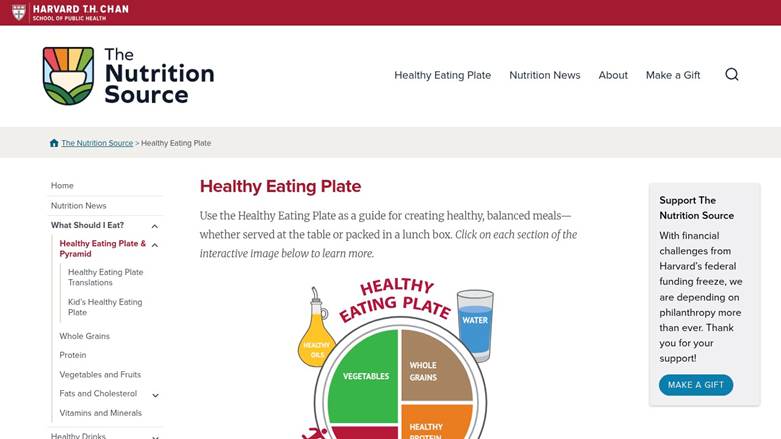
- Help them understand what a balanced plate looks like so dining hall choices feel manageable
The goal isn’t perfection. perfection. The goal is a student who knows how to take care of themselves when stress peaks and the easy option is a bag of chips at midnight.
This is What Coaching Addresses
At One Purpose Wellness, healthy habits are one of the three pillars I build with every student I work with. Not because wellness is trendy, but because I’ve seen firsthand how much easier the academic and emotional side of college becomes when a student’s physical foundation is solid.
If your student is heading to college and you want to make sure they’re set up to thrive, not just survive, I’d love to talk.
Book a free coaching consultation and let’s build the foundation together before move-in day.